-
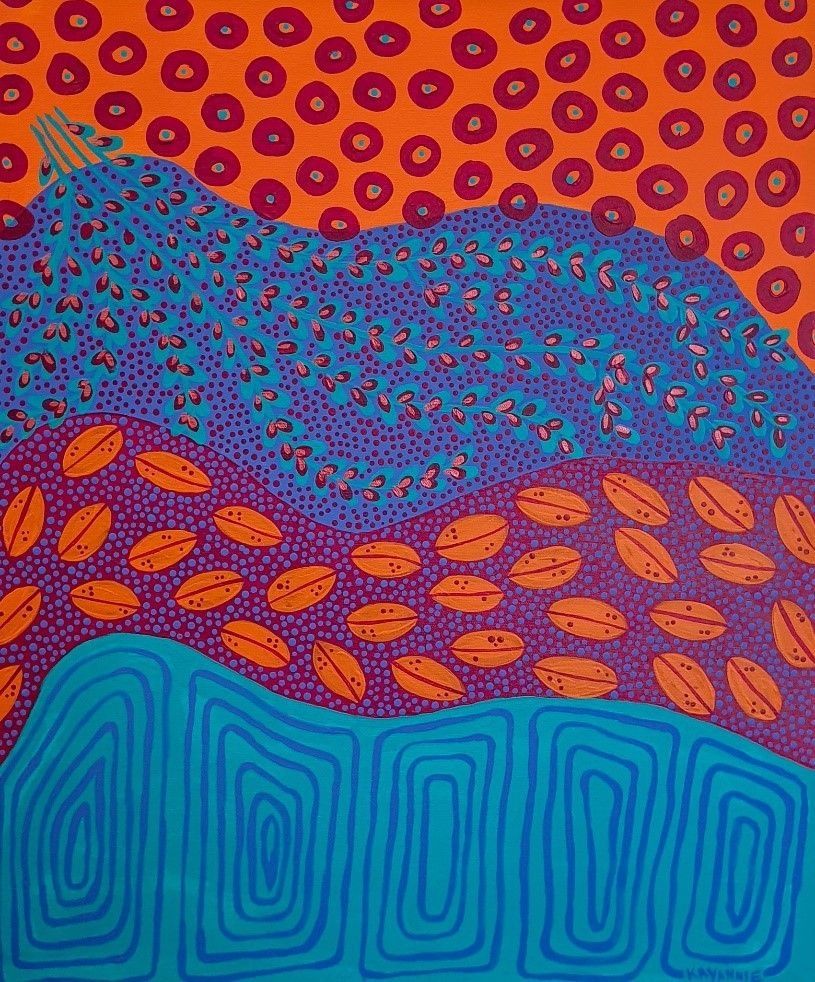
Deep Histories, Indigenous Futures ECR Workshop Wrap-up
‘Deep Histories, Indigenous Futures’, the second Kathleen Fitzpatrick Workshop of the ARC Laureate Project ‘Rediscovering the Deep Human Past’, brought together postgraduate students and early career researchers from across the country. Indigenous histories address diverse audiences, speaking to local families and communities, to broader national and international conversations. These histories speak variously to policy change or to political contestation, sometimes to public memory or national mythologies. And they are formed through relationships between peoples and Country that were the focus of discussion.
In these times of lockdowns and border closures, the workshop was organised into a series of online events, providing participants with opportunities both to hear from and be in conversation with leading thinkers who were generous in sharing their experience and knowledge, and to converse with other researchers in the field from across Australia.
The workshop opened with a public webinar Telling History through Country’, co-hosted with ANU’s Centre for Environmental History. Chaired by Rebe Taylor, panellists included Ann McGrath, Peter Read, Lorina Barker, Eliza Kent and Michael Brogan. Country is more than the backdrop for history; it is an active participant within both its stories and their telling. So we explored questions of in what ways might Country speak? In particular, panellists spoke to their work on Country at Mulgoa, Western New South Wales, and at the Willandra Lakes. We were also encouraged to support Western NSW Indigenous communities given the COVID emergency:
In the afternoon, Mike Jones led a workshop, ‘Exploring digital tools and techniques’, providing the postgraduates and ECRs with an overview of the possibilities, and the challenges, of working digitally. The session started with some of the fundamentals, from file naming, file formats, and structuring data to tips for evaluating digital tools, then moved on to basic tools for capturing research data, and for managing archival and other images. Workshop participants were then invited to take a closer look at Voyant (an online text analysis tool) and StoryMap (which helps present text, photographs, and audio-visual material associated with particular points on a map or large image). The session concluded with some ideas for exploring digital methods in more detail. Participants asked insightful questions throughout, and many took the opportunity to share useful tips with their peers.
The second day began with presentations on ‘First Nations Histories towards Social Justice and Institutional change’ delivered by three key speakers who have been at the centre of movements for institutional, national, and international change, and who addressed the role of historical research in creating political change. Maramanindji woman Sonia Smallacombe, Bidjara/Birri Gubba Juru woman Professor Jackie Huggins, and Yawuru man Professor Peter Yu each emphasised the need for researchers to provide critical analyses of policy and its implementation, and to conduct this research in genuine partnership with communities. Universities, we were reminded, could have done a lot more for First Nations communities, and there is a need for research that moves beyond the political rhetoric to connect research with the lived experience of the people researchers serve. These themes emerged further in discussion, as participants described the costs of heartbreaking urgency of many of these questions, in COVID-stricken Western NSW and for those subjected to ongoing police violence and homicide.
Professor Yu challenged participants to identify their contribution that has a real impact in the community, and it was this question that animated the following workshop, facilitated by the co-editors of ‘Aboriginal History’, Yamatji woman Dr Crystal McKinnon and non-Indigenous man Dr Ben Silverstein. The workshop, titled ‘Who writes, whose stories?’, provided participants with an opportunity to consider and talk about their relationships to place and to people, and to reflect on the way they situated or positioned themselves. Over a series of discussions, participants spoke about issues of ethics, accountability, and their relationships to the work they do, the communities with whom they work, and the way their work spoke to the concerns of the expert panels.
We’re looking forward to further collaborations with the many talented researchers who attended the workshop.
-
Deep Conversations: Telling History through Country
If you missed this lively and engaging roundtable discussion chaired by Rebe Taylor, or you want to watch in again, now you can!
-
First Nations Histories towards Social Justice and Institutional change
Thursday 9 September: 10:00am -11:30am
This seminar features three speakers who have been at the centre of movements for institutional, national, and international change. This expert panel will address the role of historical research and work in and towards public or governmental institutions to create political change.
The speakers will discuss their work either within governmental institutions or directed towards government, and we will hear about their experiences of working with and undertaking, transformative research.
Questions of where we practice scholarship, and for whom we write or present, are critical for emerging scholars to consider in Indigenous Studies and/or Indigenous Histories. Hearing about the different places and ways that these scholars have undertaken their important work will assist participants think about who they are, how they practice their history work, and how their own work can contribute to effective social justice and institutional change.
Presenters
Professor Jackie Huggins is a Bidjara/Birri Gubba Juru woman who has enjoyed a stellar career across academic, corporate and social sectors. She is among the first First Nations historians in Australia. Currently Co-Chair of the Treaty Advancement Committee in Queensland, she has served on a number of national and state boards, directed her own consulting firm, and was Deputy Director of Aboriginal and Torres Strait Islander Studies at the University of Queensland. She was made a Member of the Order of Australia in 2001 and a Fellow of the Academy of Humanities in 2007. She has written widely for history books and journals nationally and internationally.
Professor Peter Yu is a Yawuru man with over 35 years’ experience in Indigenous development and advocacy in the Kimberley and at the state, national and international level. He is Chair or Deputy Chair of a number of organisations relating to Indigenous development and advocacy as well as a Council Member of the Governing Board of the Australian National University and CEO of Nyamba Buru Yawuru. Peter’s business and organisational acumen as well as outstanding track record in community leadership will be especially helpful.
Ms Sonia Smallacombe is a member of the Maramanindji people from the Daly River area. She worked as a Social Affairs Officer with the United Nations Permanent Forum on Indigenous Issues for eleven years. Prior to joining the UN, Sonia was a Senior Lecturer in the School of Australian Indigenous Knowledge Systems, Charles Darwin University. Her Masters thesis was on the intellectual and cultural property rights of Indigenous peoples. Co-Chairs: Dr Ben Silverstein, Australian National University and Dr Crystal McKinnon, RMIT
Register via Eventbrite: This seminar will be conducted via Zoom. Please register immediately. A link will be emailed to all attendees prior to the event.
For more information contact ben.silverstein@anu.edu.au.
-
Live streaming: building the Re. atlas
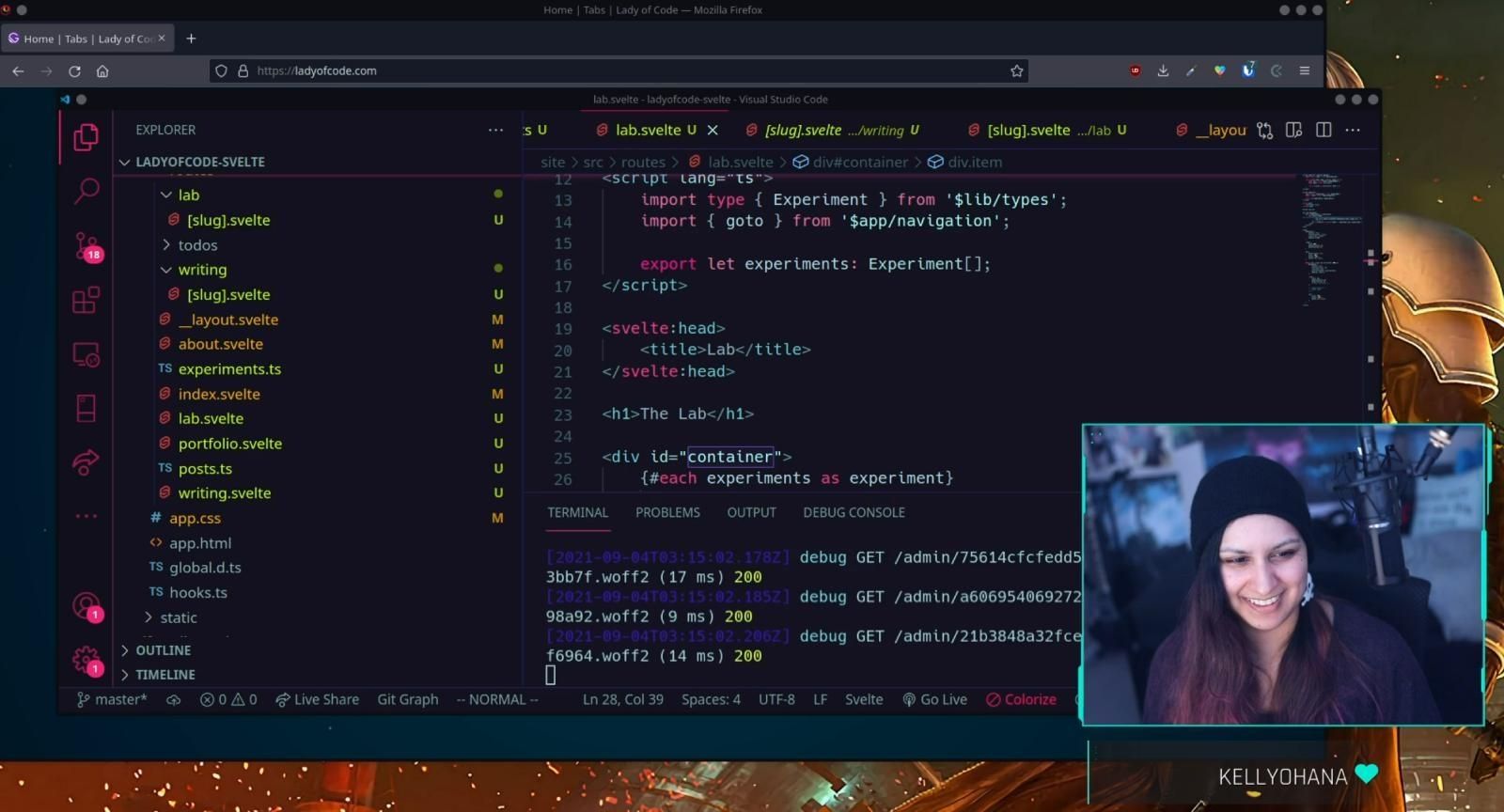
My name is Tabs. I design and develop digital content for the Research Centre for Deep History (RCDH). Developing and maintaining the main website has been my primary focus thus far, as well as posting updates to the ANU’s School of History website. This is shifting to designing and developing a digital atlas – a technical deliverable of the ARC Laureate program ‘Rediscovering the Deep Human Past’ – and mapping projects… We hope to have an alpha version ready by late 2021.
Working as a developer with humanities research can be a challenge. The context in which we’re building affects the design and development process; most notably, who we’re collecting data from and who we’re designing for. There are additional layers of complexity involved surrounding ethics protocols and sanitising data. Communicating the difficulties and nuances of technology to non-developers requires practice. Transforming academic research into something understandable and potentially enjoyable by a wider audience requires a skillset beyond the ability to code; incredible experiences are quite often created by entire teams for this reason.
As a result, I’ve been thinking about how to help people understand more about the work I’m involved in as part of my ongoing interest in supporting training and capability development. One of the ways I’m planning to do this is live streaming.
Live streaming – broadcasting online in real time – has increased significantly in number of streamers and viewership with the onset of COVID-19. The most popular streaming platform, Twitch, surpassed five billion hours watched as of Q2 2020. The number of viewers increased, and so did the number of streamers – Twitch alone now has more than nine million unique channels. I have one of them.
I started streaming for two reasons: I wanted to handle myself in front of a camera (a lifelong struggle!), and to engage with the wider technical community. Since mid-2020 I have been coding live, gaming live, and hosted community ‘slackathons’ (like a hackthon minus time-constraints, and not restricted to code). It’s been an unexpectedly valuable learning process.
Project types generally streamed are SaaS apps, small business websites, or games. While they’re amazing and it is fantastic accompanying streamers working through the creative process that is coding, project field diversity is lacking. Software projects related to the Arts or Social Sciences are few and far between, and academic involvement in projects is near non-existent.
I intend to give the work I do for RCDH some visibility. If the average developer learns about transforming academic research, or a non-developer understands that design and development can be a hair-tearing process, I’d be ecstatic.
I will likely be streaming work-related content on Mondays, and will add streams to my schedule ahead of time. You will only require a Twitch account if you’d like to type in chat. Please feel free to engage, provide feedback, and ask as many questions as you like. I have had viewers keep quiet in an effort not to distract me – but if I didn’t want to be engaged with I wouldn’t be coding on a platform that encourages it!
Please note that Twitch is similar to Twitter in the sense that personal and work content can be inextricably intertwined. I stream personal projects and content outside of my work. All opinions are my own.
My channel is twitch.tv/ladyofcode.
If you have any queries, comments, or ‘slackathon’ project suggestions I can be contacted via my ANU email or Twitter.
-
Deep Conversations webinar: Telling history through Country
Deep Conversations: Telling History through Country
Wednesday 8 September: 10:00am -11:30am
How might history be told through Country? In what ways might Country speak? Country is more than the backdrop for history; it is an active participant within both its stories and their telling.
In this roundtable discussion chaired by Rebe Taylor, historians Lorina Barker, Peter Read, and Ann McGrath along with collaborators from the Taragara project “Gari: Stories Country Tells” share how historians might engage with Country in their research and writing.
Register via Eventbrite: This webinar will be conducted via Zoom. Please register immediately. Prior to the event, a link will be emailed to all attendees.
For more information contact the convenors of the series laura.rademaker@anu.edu.au or ruth.morgan@anu.edu.au.
Deep conversations: history, environment, science series is a partnership of the Research Centre for Deep History and Centre for Environmental History. It aims to bring together scholars from diverse disciplines to discuss questions of history, science and the environment, and how they shed light on the global challenges we face today.
-
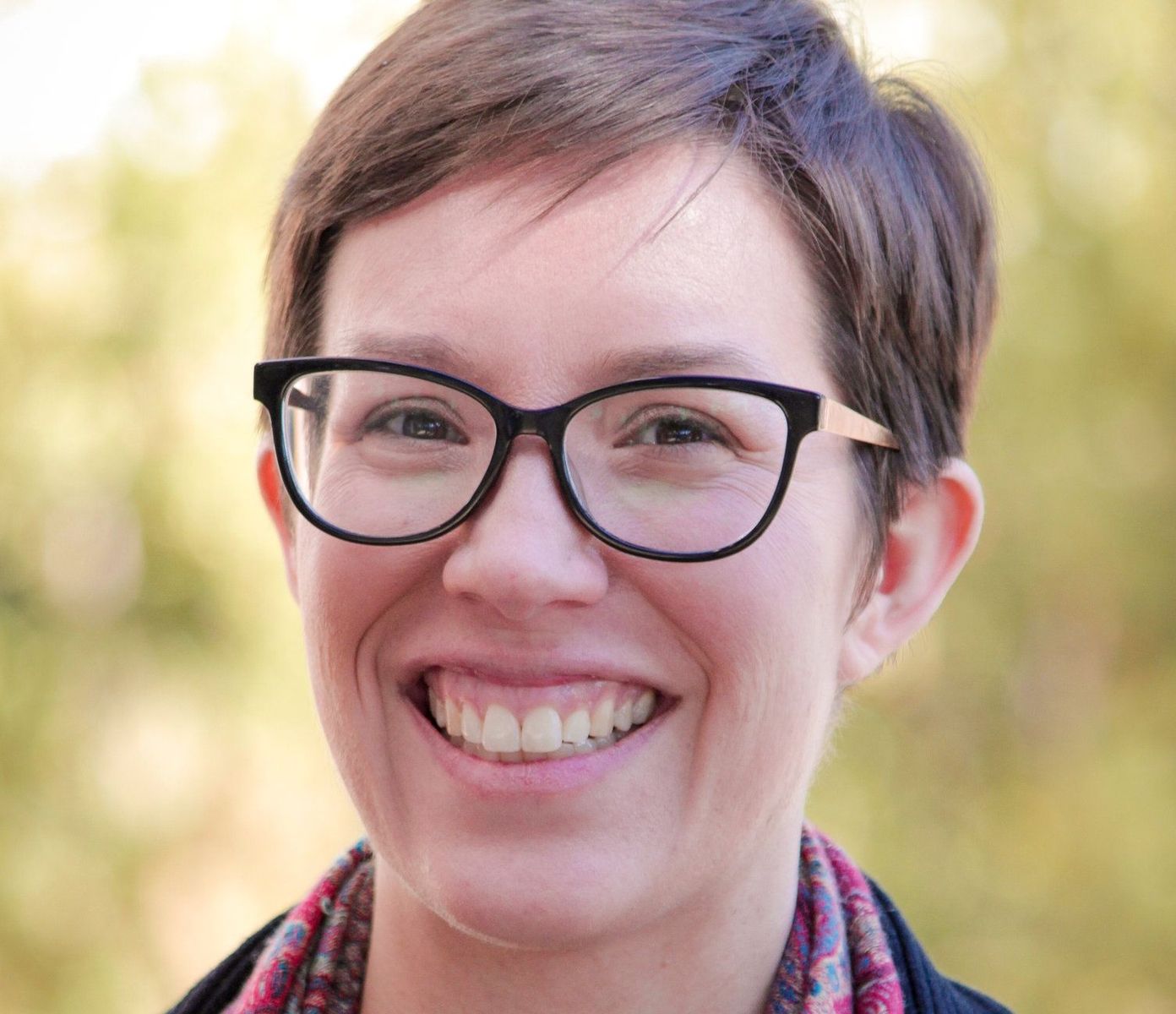
Congratulations to Centre Deputy Director Laura Rademaker!
-
Deep Histories, Indigenous Futures: application deadline extended
Now a virtual workshop!
Wednesday 8 and Thursday 9 September
Early career researchers and postgraduate research students working in the field of Indigenous histories are invited to participate in this two day workshop.
Unfortunately, ‘Down there with Peter Read’: A celebration of four decades of history-making has been postponed until early 2022.
The workshop is now an online program:
Wednesday 8 September: 10:00 -11:30am
Expert Panel Public Webinar Co-hosted with the ANU Centre for Environmental History Presenters: Ann McGrath, Peter Read, Lorina L Barker, Eliza Kent and Michael Brogan Facilitators: Laura Rademaker and Ruth Morgan
Wednesday 8 September: 1:30pm – 3:00pm (ECRs only)
ECR Workshop: Exploring digital tools and techniques Facilitator: Mike Jones
Thursday 9 September: 10:00-11:30am
Expert Panel Public Webinar Presenters: Sonia Smallacombe, Peter Yu, Jackie Huggins Facilitators: Ben Silverstein and Crystal McKinnon
Thursday 9 September: 1:30pm – 3:00 pm (ECRs only)
ECR Workshop Facilitators: Ben Silverstein and Crystal McKinnon
It is open to higher degree research students and early career researchers (within five years of graduation – not including career interruptions). Indigenous scholars are particularly encouraged to participate.
To express your interest, please send a bio and a short statement of one paragraph to: Dr Ben Silverstein ben.silverstein@anu.edu.au by 20 August (note extended deadline).
Successful applicants will be sent links prior to the workshop.
-
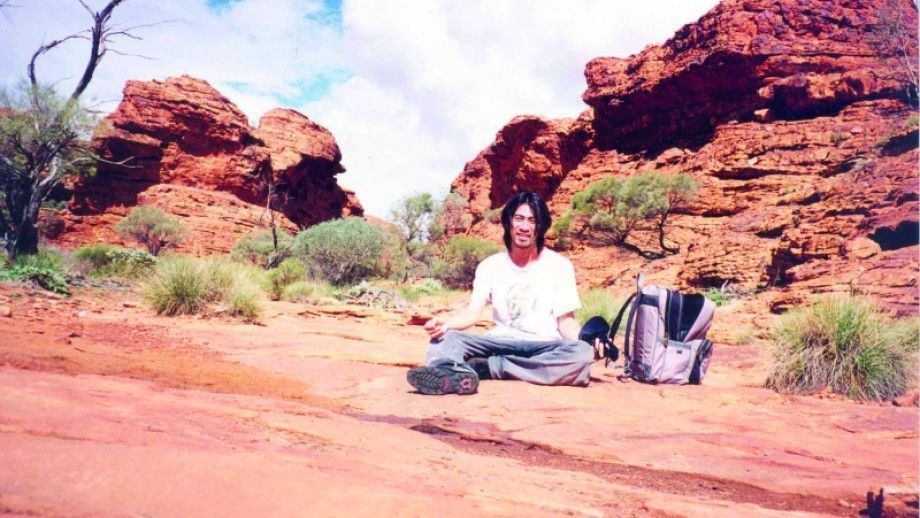
Minoru Hokari Memorial Scholarship
The School of History has announced the 2021 Minoru Hokari Memorial Scholarship. Available to a currently enrolled tertiary student, studying at any Australian university as a postdoctoral student or have completed a PhD degree in the past three years.
More details can be found in the links below. Applications open now until 30 September 2021.
https://www.anu.edu.au/study/scholarships/find-a-scholarship/minoru-hokari-memorial-scholarship
https://history.cass.anu.edu.au/minoru-hokari-scholarship-fieldwork
-
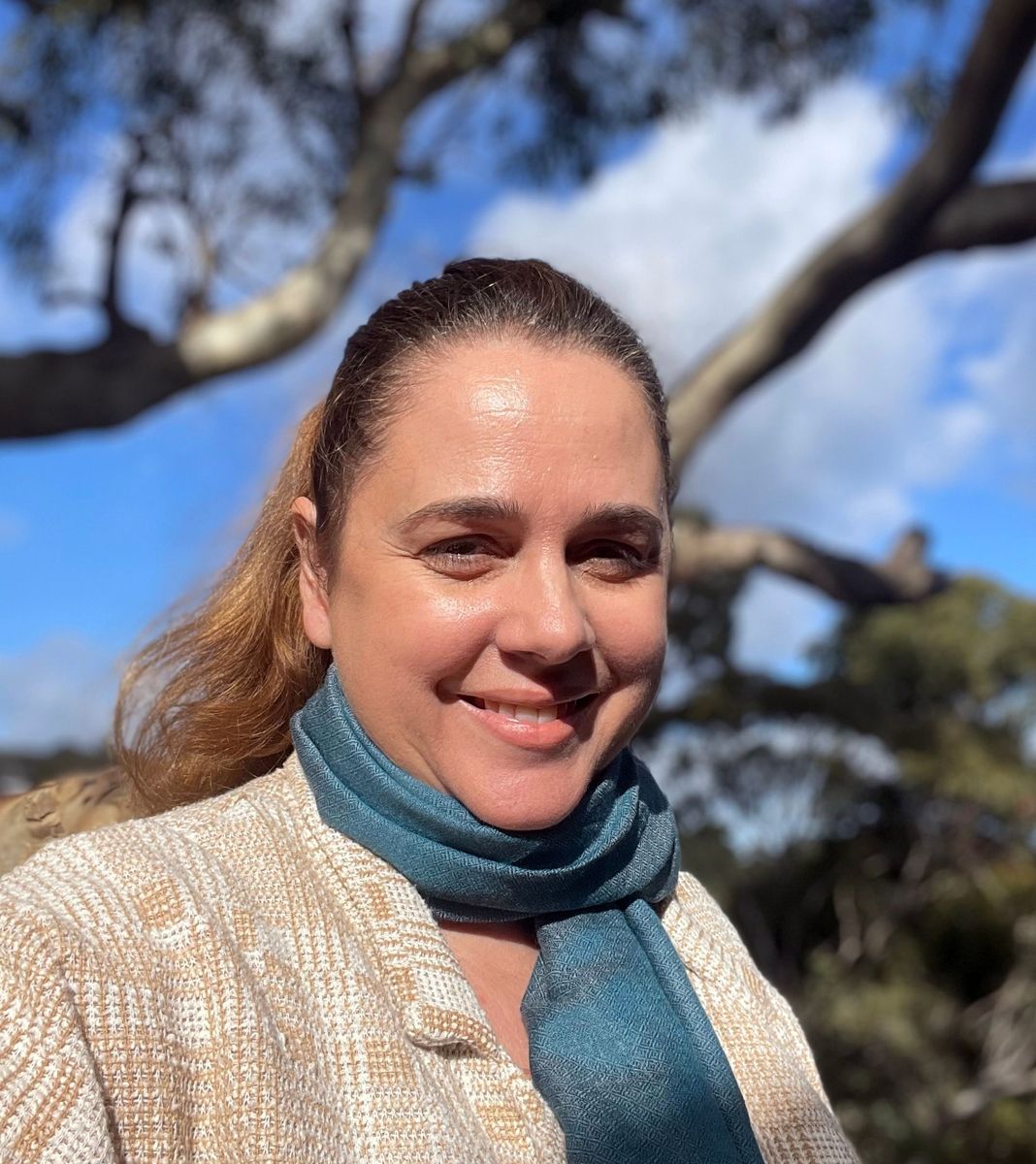
Congratulations to Collaborating Scholar Sally K May!
Sally was one of the success stories in the recent ARC announcements of funded future fellowships. Sally’s project aims to generate new understandings of Australia’s past by exploring the lives and legacies of known Aboriginal rock art artists. It addresses key questions in global archaeology relating to when, where and why rock art was created. Using innovative methodologies, this project intends to create a unique archive of 20th century rock art and oral history recordings from western Arnhem Land. The anticipated outcomes will include new internationally significant knowledge concerning the impacts of colonisation on artistic practices in Australia. Furthermore, the project aims to contribute new information and data that can be used to inform cultural heritage management and education programs both locally and across Australia.
The Research Centre wishes Sally all the best with this research project and looks forward to the exciting outcomes and contributions to global archaeology that will be achieved.
-

Congratulations to Mike Jones!
Mike’s first monograph Artefacts, Archives and Documentation in the Relational Museum has recently been published by Routledge.
The book provides the first interdisciplinary study of the digital documentation of artefacts and archives in contemporary museums, while also exploring the implications of polyphonic, relational thinking on collections documentation. Artefacts is essential reading for those who wish to better understand the institutional silos found in museums, and the changes required to make museum knowledge more accessible.
The book is a particularly important addition to the fields of museum

Publications


All rights reserved ® Research Centre for Deep History, The School of History, The Australian National University | Built by Tabs.