-
Good news for Advisory Committee Member and Collaborating Scholars
The recent announcement of ARC Linkages Grants was good news for a number of collaborating scholars and one of the Research Centre’s Advisory Committee members.
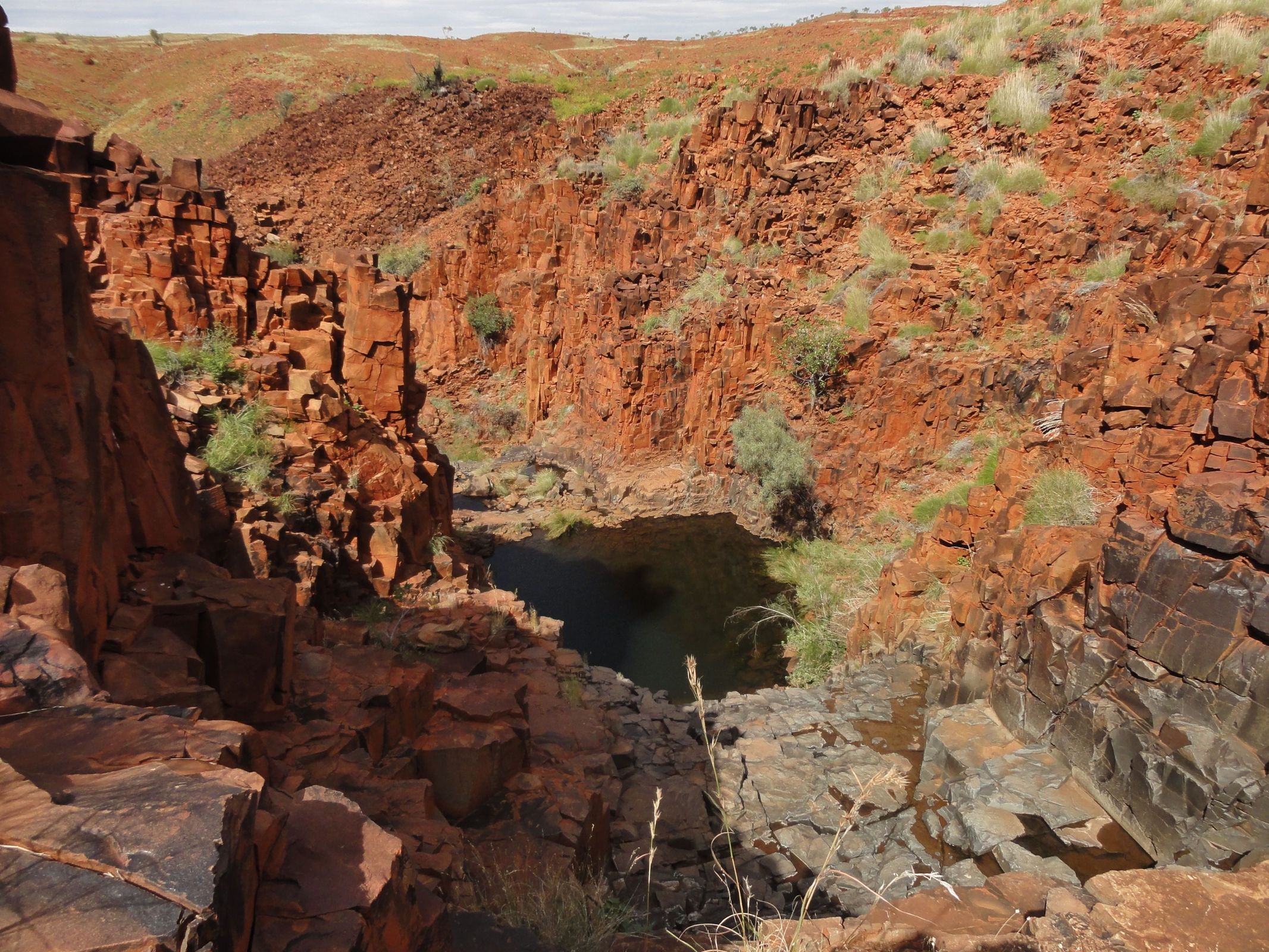
Collaborating Scholars Jo McDonald and Peter Veth, together with other researchers from the UWA Centre for Rock Art Research and Management, were awarded over $1 million in funding for the project “From the Desert to the Sea: Managing Rock Art, Country and Culture”. The project will expand our understanding of Aboriginal settlement and land-use in north-west Australia by investigating how the mythological narratives of Australia’s deserts enable the transmission of knowledge in water-limited environments. It aims to provide new insights into human behaviour at rock art sites to ensure that intergenerational and culturally appropriate knowledge transfer protocols are in place at these significant heritage-listed sites.
Advisory Committee member Jane Lydon and Collaborating Scholar Charlotte Feakins, together with research associates, were successfully awarded funding for their “Everyday Heritage” project. The project aims to uncover everyday but overlooked forms of Australian heritage and will promote public debate on the role of the past in modern Australia through a range of new forms of history and heritage, digital resources and heritage management tools.
Congratulations to all involved! We look forward to seeing the outcomes of these innovative and important projects.
-
WK Hancock Chair Inaugural Lecture “Beyond the Discovery Narrative? Visualizing a Deeper History of Australia”
Join the ANU School of History for the WK Hancock Chair Inaugural lecture given by Ann McGrath, WK Hancock Distinguished Professor in the School of History at the Australian National University.
This event is open to members of the public, will commence at 6pm and will be followed by refreshments.
Registration via Eventbrite is essential for those attending in person.
For those attending via zoom, please register for the ‘zoom attendance’ option.
Date and time
Wed 04 Aug 2021, 6–7.30pmLocation
RSSS Auditorium, Level 1, 146 Ellery Crescent Acton, ACT 2601Abstract
‘Many nations adventured for the discovery of Australia, but the British peoples have alone possessed her.’ So goes the opening sentence of WK Hancock’s Australia, published in 1930 – a statement now jarring on many levels. Although Hancock self-consciously avoids the discovery narrative of James Cook, he cannot escape him. And still today, the chronologies of discovery and occupation frame national histories. Aboriginal people have their own arrival stories, ones potentially going back 65,000 years. Yet earlier Indigenous pasts still seem to be walled off from ‘History’, with the study of the deep human past left to other disciplines.
How might historians as a profession approach things differently? Can a rejigged history of Australia ever bring deep history and colonial and national history together? And should the two be fused at all? Our Laureate Program is considering a range of non-text-based evidence, including Indigenous oral and visual narratives of the deep past. This year, we aim to investigate how rock art sites could potentially serve as an archive. Can these paintings be classed as historical ‘evidence’ at all? And if so, how might they be interpreted?
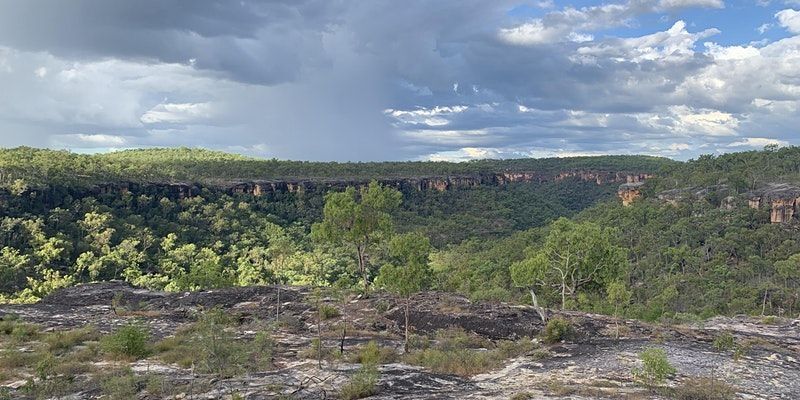
In June 2021, along with team members, I visited the Quinkan Country of Cape York on a research trip led by Kuku-Yulanji man Johnny Murison, one of the area’s traditional custodians. I was also revisiting my earlier conceptual world as a young scholar. While still undertaking my Doctorate in 1980, I travelled to Laura and Jowal Bina with novelist Xavier Herbert, Lardil artist and legend teller Dick Roughsey or Goobalathaldin, and pilot and explorer/adventurer Percy Tresize. My objects of study, or so I thought, would be Xavier and Percy, who to me personified the iconic white male character known as the Australian ‘bush legend’. Roughsey did not join the competitive machismo, but the other two adventurers embraced a more acquisitive self-narrative as ‘discoverers’ of past Aboriginal worlds.
Guided by Indigenous knowledge holders, Indigenous creation and origin narratives hold the potential to destabilize the walls of monumental discovery narratives. The historical actions of marking Country on rock – part of multi-media, embodied Indigenous Story-telling practices – are finding new meanings and mediums today. Ones that challenge the temporalities, chronologies and ideas of historicity upon which historians and archaeologists have based their disciplines.
Bio
Ann McGrath AM is the WK Hancock Distinguished Professor in the School of History at the Australian National University, where she is Director of the new Research Centre for Deep History. She holds the 2017-2022 ARC Kathleen Fitzpatrick Laureate Fellowship. She is a Fellow of the Academy of Social Sciences and the Academy of Humanities. Her publications include Born in the Cattle: Aborigines in Cattle Country (1987) which won the inaugural WK Hancock Prize of the Australian Historical Association, and more recently Illicit Love: Interracial Sex and Marriage in the United States and Australia (2015) which was awarded the NSW Premier’s History Prize. With Mary-Anne Jebb, she co-edited Long History, Deep Time (2015). With Ann Curthoys, she wrote How to Write History That People Want to Read (2009; 2011). She has also produced and directed the films Frontier Conversation and Message from Mungo (Ronin Films), has worked in museums and contributed to national enquiries.
-
NT Award for ‘The Bible in Buffalo Country’
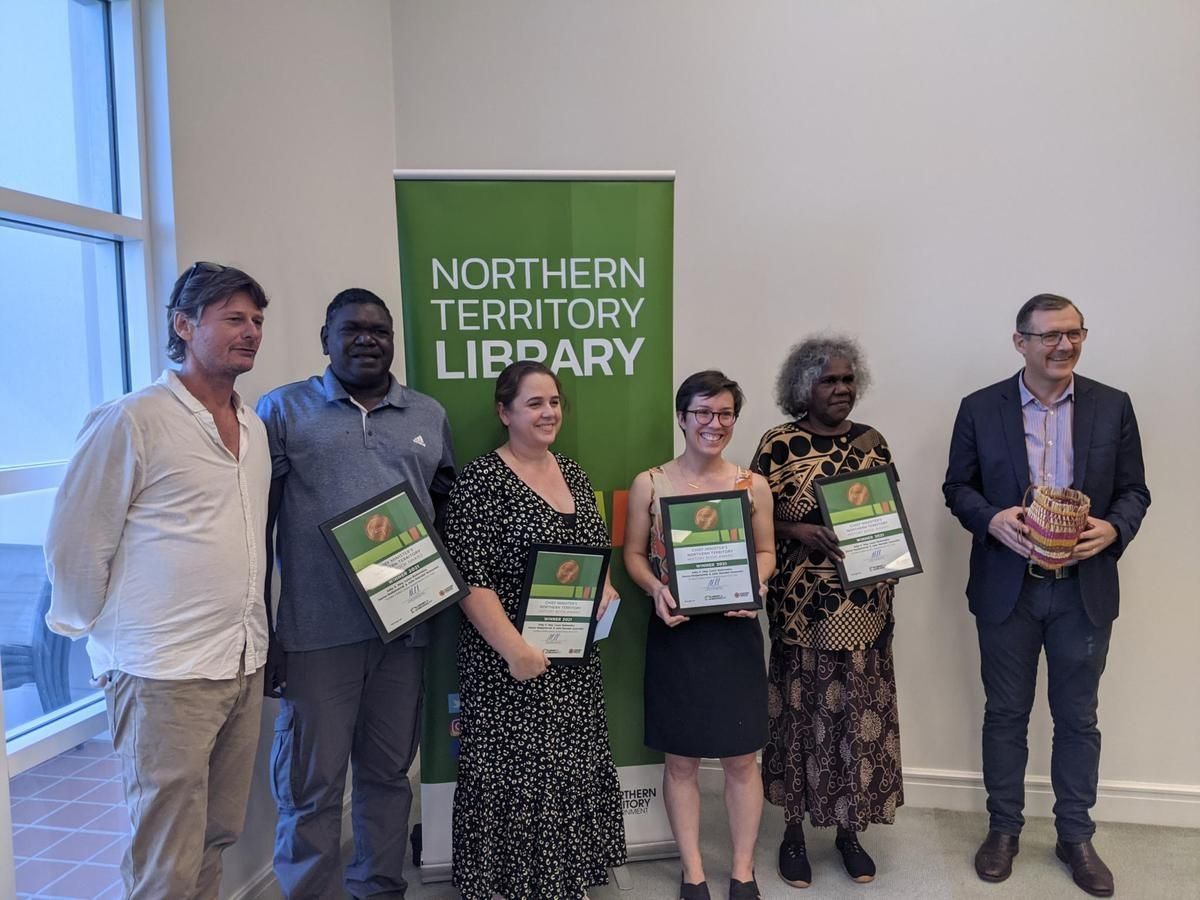
Postdoctoral Researcher, Laura Rademaker has been awarded the 2021 Chief Minister’s Northern Territory History Book Award, along with co-authors Sally May, Donna Nadjamerrek and Julie Narndal for their book ‘The Bible in Buffalo Country, Oenpelli Mission, 1925-1931’.
If we are to have truth telling about history, communities need to have access to these histories. The book was written in partnership with Injalak Arts and draws together documentary and photographic sources of the Oenpelli Mission in western Arnhem Land with community memory and interpretation of these sources. It emerged from community desire for access to the source documents of their own history and for their story to be known by the broader Australian public. The book also represents the beginning of what Rademaker hopes will be long-term collaborative research partnerships with the Gunbalanya community.
Co-author and Traditional Owner of Gunbalanya, Julie Gumurdul Narndal explained, “Mission histories are not just whitefella stories but Aboriginal stories, and Aboriginal people should be part of the telling. Story-telling and hearing about our past and our ancestors helps to keep us safe. This book tells our story from these early days – some good times and some bad times.”

The Bible in Buffalo Country cover -
Latest publications and public engagement
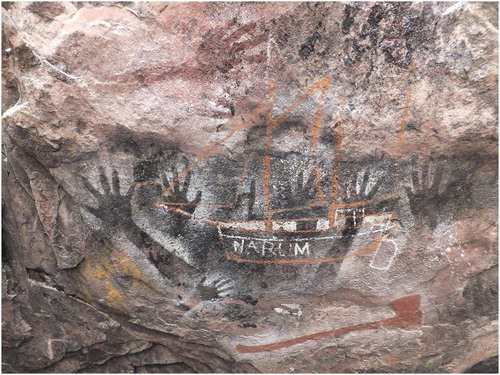
Research Centre team member, Laura Rademaker, joined with Collaborating Scholar Sally K May, Joakim Goldhann, Paul S C Taçon and Julie Narndal Gumurdul in an article on aboriginal histories and rock art, Narlim’s Fingerprints. Published in the latest edition of the Journal of Australian Studies, Laura said this one was a fun collaboration.
Laura also spoke on “Against the Grain”, KPFA Pacifica Radio in Berkeley, about how members of the Anindilyakwa community on Groote Eylandt resisted and repurposed English literacies. This was based on the recent publication of “Going Off Script: Aboriginal Rejection and Repurposing of English Literacies” in Indigenous Textual Cultures Reading and Writing in the Age of Global Empire.
Collaborating Scholar, Robin Derricourt featured recently on RN’s Science Show talking about how archaeology could extend knowledge of the history of religion. His book, Creating God: The birth and growth of major religions has just been released by Manchester University Press. Advisory Committee member, Lynette Russell also featured on the same Science Show program, talking about her latest publication A Trip to Dominions: The Scientific Event that Changed Australia.
-
Director’s Blog – Mid Year Reflections
Reaching July and the middle of our calendar year reminds me that this month’s name honoured Julius Caesar. Fascinating though it is, I’m taken aback by the chronologically recent nature of the ‘ancient history’ of Rome compared with the deep history of the peoples of the Australian continent.
This mid-year blog provides some moments to focus upon the active roles of our Research Centre’s Collaborating Scholars (CS) as well as other activities.
This year we launched Cross-campus Interdisciplinary Lunch Gatherings. The inaugural one in March centred on the theme of Water with CS Quentin Grafton and team. The second was an extensive conversation with CS Azure Hermes of the National Centre for Indigenous Genomics. The most recent one concentrated on the Rock Art theme with CS Robert Wellington, CS Duncan Wright, CS Catherine Frieman and a number of impressive and helpful art and archaeology experts from across the ANU and the University of Canberra. CS Brenda Croft will be playing a key role in the next lunch gathering, to coincide with her coming exhibition at the Drill Hall Gallery – we will keep you posted on that.
CS Annie Clarke and CS Bruce Buchan joined us last year as official RSSS visitors. Although their stays were COVID19-interrupted, Annie was able to return and we are hoping that Bruce can do so later this year.
Another CS, Charlotte Feakins, who now works with GML Heritage, partnered with us to convene the First Nations Speaker Series with Laureate Postdoctoral Fellow Ben Silverstein. CS Leah Lui Chivizhe was featured as the first speaker.
With only one COVID19 postponement, Laura Rademaker managed a rock art trip to the Northern Territory with CS Sally May, with a forthcoming publication ‘Quilp’s Horse: Rock art and the artist life-biography in Western Arnhem Land, Australia’ by Sally K. May, Joakim Goldhahn, Laura Rademaker, Graham Badari and Paul S. C. Taçon appearing soon.
CS Mary Anne Jebb has joined us as a Consultant to work with communities in Western Australia, including the Mowanjum people who have recently opened a new Aboriginal Art and Culture centre in Derby. Several other Collaborating Scholars are working with us on various publication projects, including CS Daniel Smail, Linda Barwick and Sarah Yu.
Shauna Bostock-Smith, who completed her PhD with flying colours, was to have her degree officially conferred at a Graduation Ceremony in July. We are terribly disappointed that COVID19 has led to the cancellation of the ANU’s July Graduation ceremony. Such an outstanding achievement, and I was looking forward to celebrating her thesis and meeting her family at this special event. On the upside, however, Shauna has joined us as a Collaborating Scholar and we will be seeing her at the Peter Read Event and our Early Career Workshops between the 8-10 September.
The Mungo Map
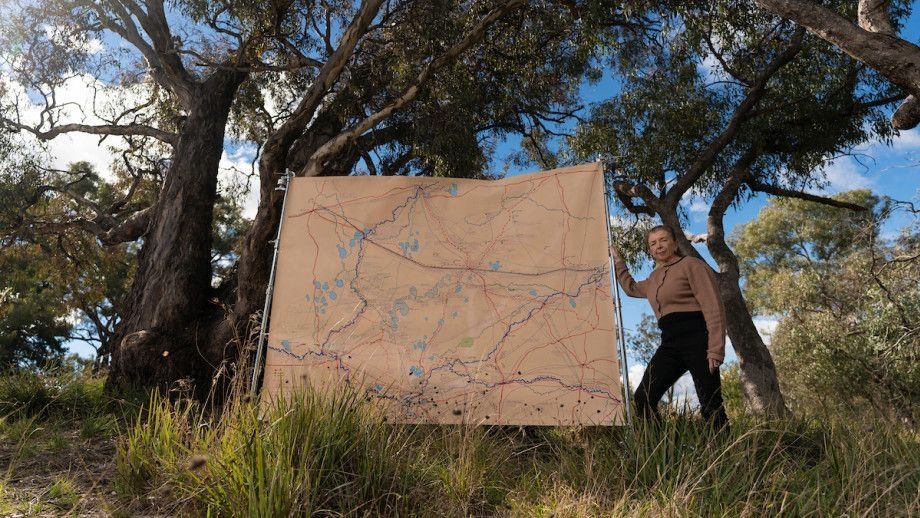
In March, I drove out to Mildura and Balranald, to meet up with families involved in the Lake Mungo/Willandra Lakes region and its deep history. I joined CS Kim Mahood, who has worked as a cultural mapping consultant with community members over several years.

Eunice Hudson, Michael Young, Priscilla Briggs, Ann McGrath, Patricia Johnson at Magenta Woolshed, Mildura. Photo by Kim Mahood. Kim has painted and drawn the map on a large canvas that now tells the story of the Mutthi Mutthi, Barkintji and Ngyaampa peoples. All content has been supplied by the family members, including the Kellys, the Kennedys, the Johnsons, the Mitchells and others.

Kim Mahood confirming the map information with members of the Mitchell family at the Magenta Woolshed, Inland Botanical Gardens, Mildura We held meetings with local elders and families at their homes, in community spaces, and at the big woolshed located at the Inland Botanical Gardens. These were to check that all participants were happy with everything they had entered on the map. New material was also added. ANU’s press release sparked a lot of media interest.
Whether displayed on a footpath, in an old woolshed or in the rose garden of the Mildura Grand, the map attracted attention everywhere it was exhibited. With the initial contact made by CS Shirleene Robinson, a large team from the National Library of Australia visited us to assess the map for digitalization and conservation. We will keep you posted on developments.

National Library experts visited our Centre to assess the Mungo map for scanning and digitalization in June. We aim to organise a regional launch and possibly a travelling exhibition. Led by Laureate Postdoctoral Fellow Mike Jones, with Web Developer and Designer Tabs Fakier, we will also be working to ensure that the map will spread far and wide via a digital life. Participants are keen to supply family photos, videos and additional information for the digital version.

National Library experts visited our Centre to assess the Mungo map for scanning and digitalization in June. From the perspective of myself as a historian, this map speaks back to all the maps we saw on our classroom walls: the ones that featured only European explorers and navigators. It presents a different kind of history – of Country and strong family connection; one that pinpoints the precise locations where people lived and worked – key family moments, beloved ancestors, their marriages, births, deaths. It shows the upheaval of forcible removal to missions and the removal of children. It also demonstrates the importance of Aboriginal workers to the pastoral industry, to railways and infrastructure.
Travel restrictions continue to impede our fieldwork plans. I was supposed to be heading to Broome and Derby right now with CS Mary Anne Jebb to be part of the launch of the Mowanjum Aboriginal Art and Culture Centre but Western Australia has imposed a hard border on just about everywhere, and a harder one on remote Aboriginal communities. We look forward to working with Mary Anne on the Marking Country Digital Atlas project.
Fortunately, Postdoctoral Fellows Mike Jones and Ben Silverstein managed to travel to Broome for their Thangoo Station Project in north Western Australia, part of ANU’s Grand Challenges scheme, led by CS Maria Nugent and CS Lawrence Bamblett, and assisted by CS Sarah Yu and one of the ECRs we have helped mentor, Naomi Appleby. Yawuru people recorded accounts of their histories of connection. We thank Partner organisation Nyamba Buru Yawuru for their generosity in agreeing to partner with us. We also thank our CS Peter Veth for providing helpful advice during their stopover in Perth.
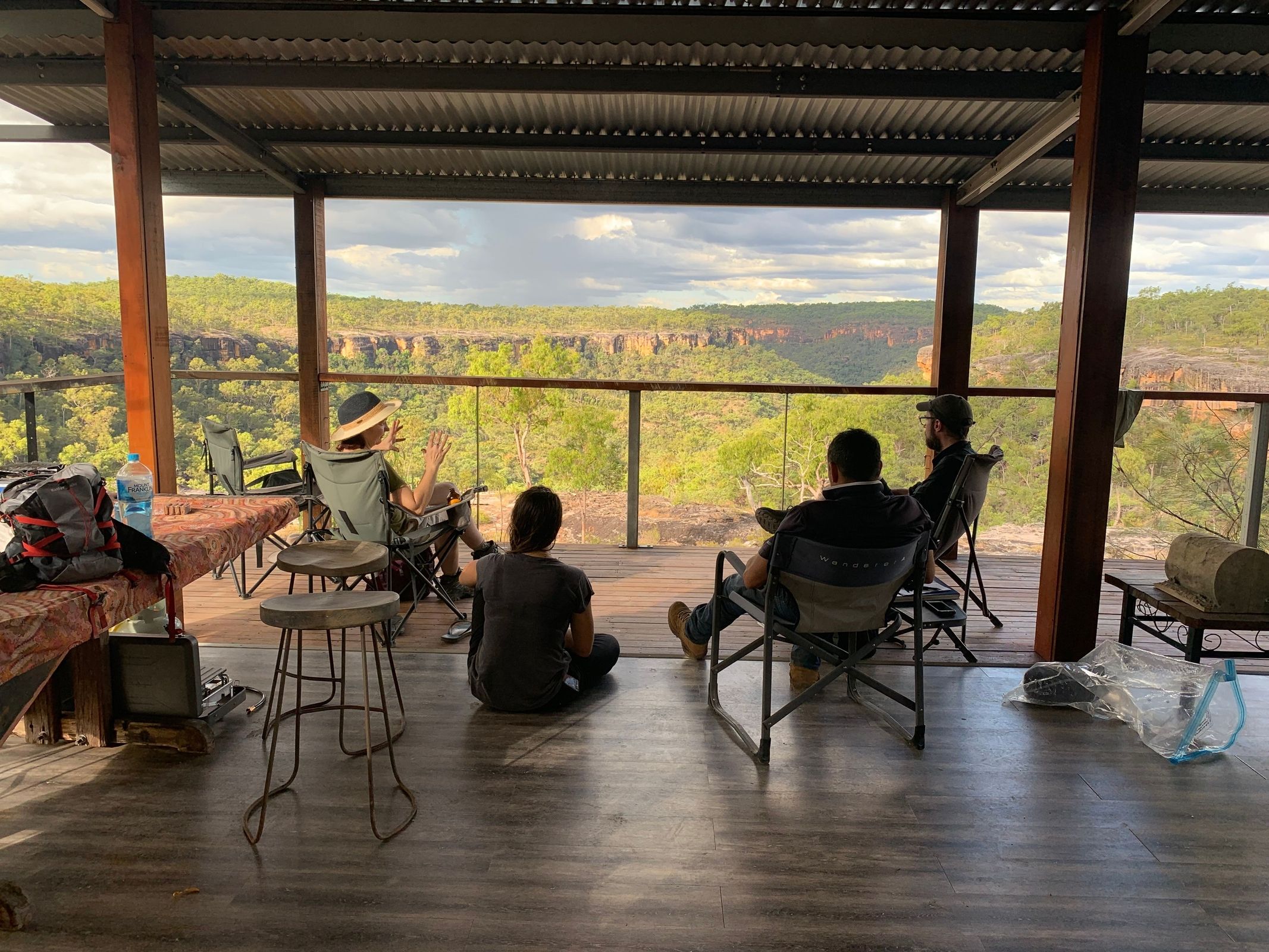
Mike Jones and I have been meeting up with staff of the Queensland Museum, talking with curators, including CS Britt Asmussen and colleagues. In June, Mike and I also travelled to Cape York, North Queensland with astrophysicist and fellow Laureate Lisa Kewley, to join Johnny Murison of Jarramali Rock Art Tours for an introduction to the art and culture of Quinkan Country. More on this soon. And finally, thanks to the sage advice of the Centre’s Indigenous Advisory Committee and to Professors Lynette Russell and Jaky Troy and Dr Lorina Barker for their collaboration in publishing ventures and conference panels.

L-R Mike Jones, Ann McGrath, Lisa Kewley and Johnny Murison at Jarramali Camp. Photo by the team. Esteemed Honorary Professor
It has been a great pleasure to welcome Honorary Professor Jackie Huggins to the Australian National University as a highly esteemed colleague. Thanks to Jackie, we recently had a wonderful book-launch by Queensland Minister Leeanne Enoch for the re-release of our co-edited volume with Emeritus Professor Kay Saunders, Aboriginal Workers. An accomplished historian and distinguished Indigenous leader, Jackie is playing a key role in leading the Queensland Treaty process. Jackie has agreed to serve as the Senior Advisor on our Marking Country Digital Atlas project.
-
Ongoing responsibilities and finding answers
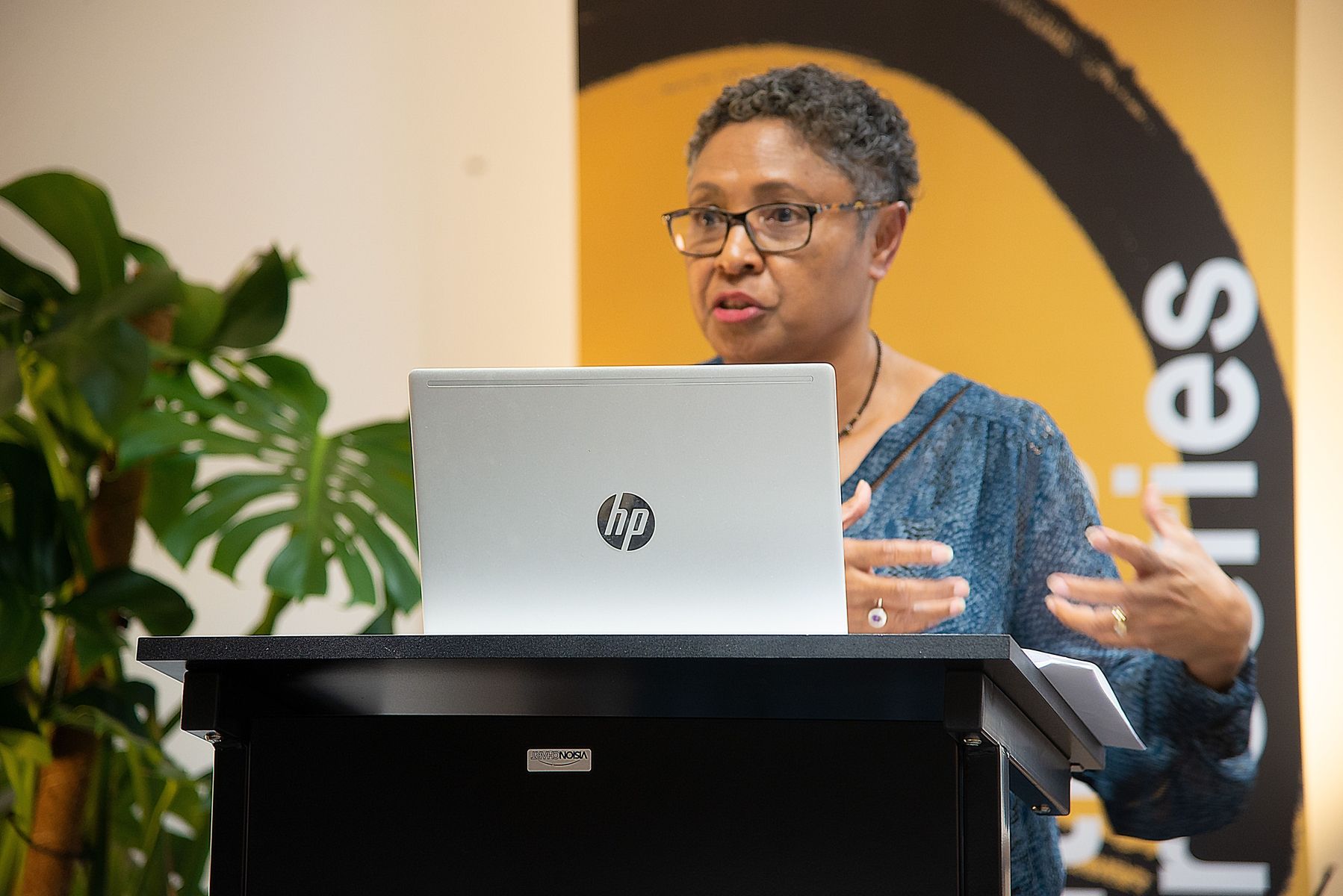
In May, Dr Leah Lui-Chivizhe presented the first talk of the First Nations Speaker Series, a collaboration between GML Heritage and the ANU Research Centre for Deep History. In this talk, she engaged with some of the challenges of working with collections gathered during colonisation—specifically ancestral remains—and the unresolved issues this creates for First Nations people.
In 1875, William John Macleay visited Erub, in the Torres Strait, as leader of the Chevert expedition. His relatively short voyage, lasting less than five months with approximately 60 days of collecting, yielded an astonishing amount: he brought thousands of natural history specimens back with him. The expedition spent only two weeks in Erub, where they dredged for sea life, including shells, fish, and coral, collected about 100 cultural objects including a turtle shell mask, and also, most disturbingly, collected human materials. This included the mummified body of a man, and thirteen human skulls.
This entire collection now sits at the University of Sydney, which has not yet repatriated the ancestral material to Erub. What, Lui-Chivizhe asked, is to be done with the collection?
In re-visiting Macleay’s voyage, and Erubam le memories of his visit and knowledge of the collection, Lui-Chivizhe re-contextualised the expedition by placing it within the history of Erub. Macleay arrived there during what was, to Erubam le, the season of Sager, a time of trade and ceremony. It was therefore no surprise when the winds blew the Chevert in, and the Erubam le were ready for strangers to arrive and prepared to make exchange with them.
But this was no ordinary year. In 1875, a measles epidemic had spread across the Pacific and, when a London Missionary Society vessel travelled around the Torres Strait Islands, carrying a group of Islanders teachers to spread the light of Christianity, they also spread the threat of disease across the region. Macleay arrived on Erub to find a community devastated and in mourning, struggling with the death of a substantial proportion of the population.
Placing the collection in these local contexts, which are also regional, international, or imperial contexts, helps make sense of the relationships between collecting and colonialism, and present day relationships to histories and heritage. As Lui-Chivizhe told us, Erubam le today are aware of the removal of their ancestors and their estrangement from stories of and from Erub. They want to return them both to a final safe resting place and to a different historical context, to Torres Strait Islander history and heritage. “Do you think”, Lui-Chivizhe was asked by her uncle, that “universities or museums will ever be finished with our things and old people?” The question hangs unanswered; a reminder to us of the importance of the work of return.

Ben Silverstein (RCDH), Charlotte Feakins (GML) , Leah Lui-Chivizhe, and Sharon Veale (GML) -
A new Fellowship announcement: WK Hancock Fellowship
The WK Hancock Fellowship is open to Higher Degree Research (HDR) students in History and associated disciplines within the College of Arts and Social Sciences and to recent graduates up to one year after completion.
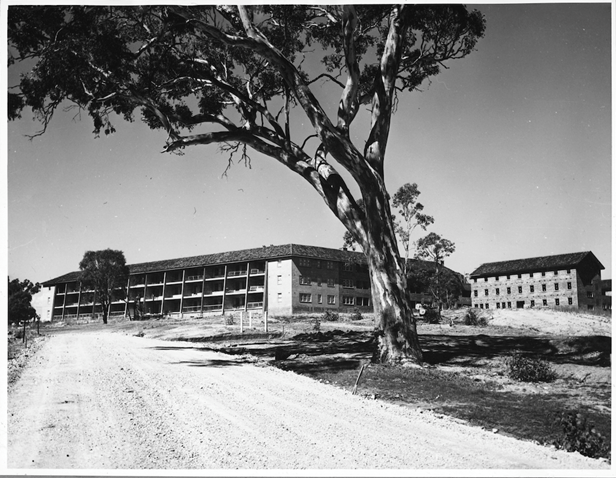
The aim of this Fellowship is to encourage greater understanding of the history of the Australian National University (ANU) and particularly to foster an appreciation of the achievements of history and historians within the institution. It is designed to stimulate innovative public-facing historical practice, and to provide an opportunity for professional development of a Higher Degree Research (HDR) student at the ANU. The Fellowship has been inaugurated by the WK Hancock Chair of History, Distinguished Professor Ann McGrath AM FASSA FAHA.
The Fellowship includes an Award of $5000, together with a mentoring, professional development and leadership opportunity.
More information can be found on the ANU website.
-
A ‘treasure’ map of Indigenous history in Australia
A new project at The Australian National University (ANU) shifts from the Australian history told from our colonial beginnings to one told by Aboriginal people, with stories that connect their recent past to the ancient history of their traditional lands.
Under the direction of the ANU Research Centre for Deep History, Professor Ann McGrath and mapping consultant Kim Mahood worked with Aboriginal Elders associated with the Lake Mungo region to record their family stories.
“The Elders of the Mutthi Mutthi, Nyaampa and Barkintji spoke about how their families were forced to move from mission to mission,” Professor McGrath says.
“A lot of the children were stolen. They worked all over the sheep stations in the region. They often saw ancient footprints and things when they were working. They were drovers, they worked on railways.”
Professor McGrath thought a good way for Aboriginal people to be able to tell these stories would be on a map that shows these movements on their traditional lands.
“These maps are often called cultural maps, but this is essentially a history map. This map offers a strong visual history, going back several generations. Some people also mention bunyip stories and ancient stories that wouldn’t really have a date,” she says.
As a historian, Professor McGrath was interested in how to switch away from the colonial narrative of Australia’s history, and tell the stories of the country’s First Nations people.
“Aboriginal people tell the story of a very important woman who’d been buried 42,000 years ago in Mungo, which I thought was amazing,” she says.
“That’s a biography, that’s a human being that we can relate to. I met lots of amazing Indigenous elders and young people and Aboriginal people who were Discovery Rangers at the National Park. They were proud to tell their stories of this ancient woman.”
Academics typically write books or journal articles, which are standards of academic outputs, but Professor McGrath “knew these Aboriginal people weren’t particularly interested in our books at all”.
“They were, however, proud to tell their stories of this ancient woman. We made a film about it called Message from Mungo, which came out in 2015. They’re able to speak in their own voice, and they’re able to directly tell you what they see is important in history.”
Fast-forward to today’s project, which captures their more recent history and ongoing connection with traditional lands through the retelling of ancient stories.
“Aboriginal people have a very different relationship with the deep past. They talk about Lady Mungo like she’s an aunty who died yesterday,” Professor McGrath says.
“Aboriginal Elders asked, ‘Why are you only interested in our ancient past? What about our more recent past? We’ve got our own biographies, with our grandmothers, our great grandmothers. These stories need to be heard too.”
The map tells the stories of their families’ own connection to Country, which itself is a deep history of deep connection to lands of ancient association.
“Even though these people were forced by the Government to keep moving from one mission or government reserve to the next, they still stayed very close to Country. They’re still staying there today in these little towns.”
Bernadette Pappin, a Mutthi Mutthi woman, says the stories on the cultural map comes from “the mouths of Indigenous people and not non-Indigenous people”.
“We are telling our story; everybody’s got a story, got a connection to this land here that we are talking about,” Ms Pappin says.
“It shows the storyline of our people and where we belong and where we come from, and other people having an understanding of where we are, and we still are today.”
Patricia Johnson, a Paakintji Elder, says the map helps her heal.
“I believe it will help all my people too, the same way how I feel,” she says.
The project will have a handover ceremony, with a proposed traveling exhibition through each of the communities where Aboriginal people shared their stories. A digital interactive version of the map, with historic photographs shared by participants, will be made available on the Research Centre for Deep History website. Project leaders are in talks with the National Library of Australia about plans to digitise the map so that it is available worldwide.
-
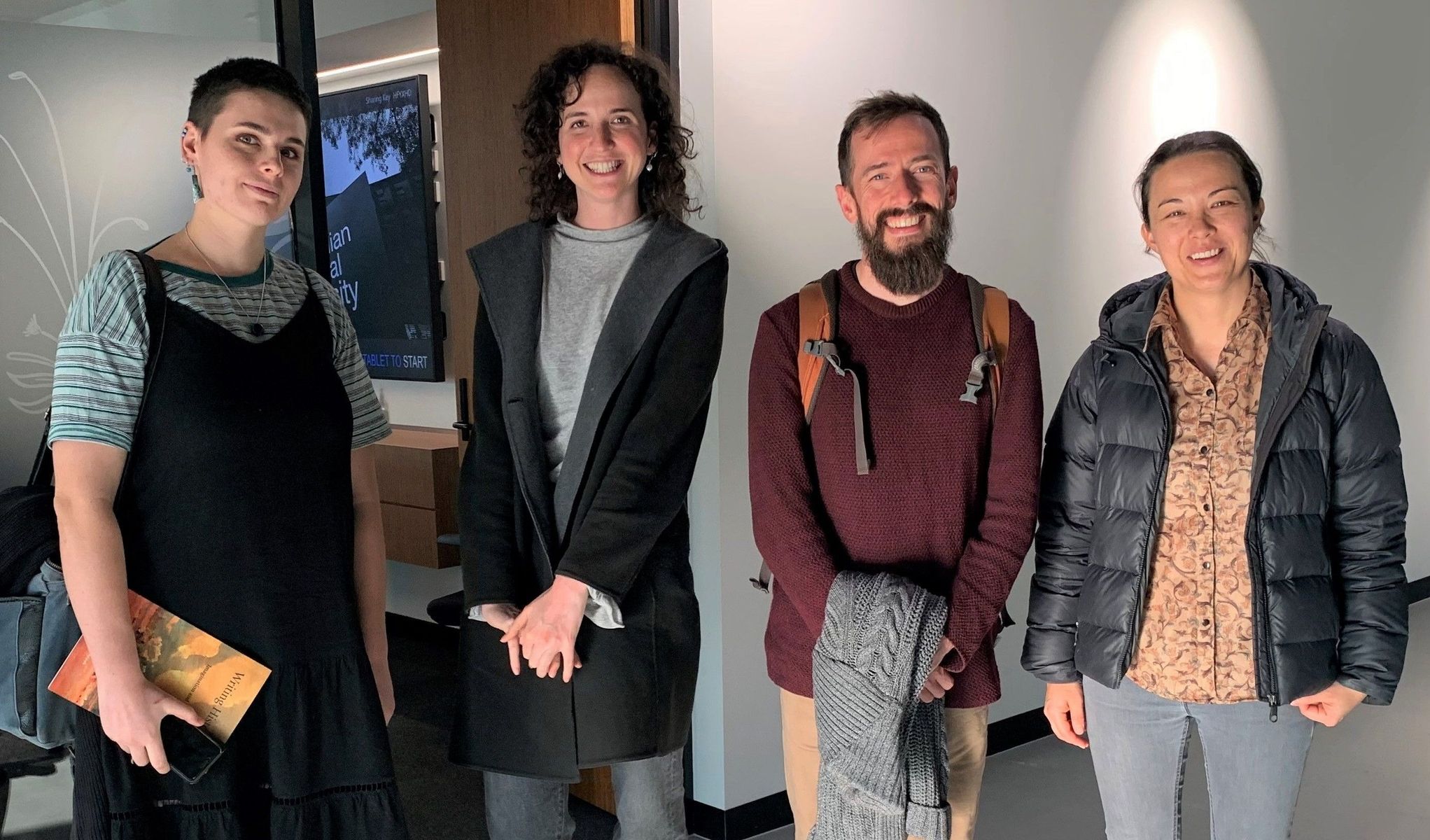
How to write so that people will read: writing workshop for CABAH scientists
‘How to write so that people will read’ was the central question of our recent writing workshop, “Expand your writing.” The Research Centre for Deep History hosted a writing workshop for scientists in April 2021. Attendees were members of CABAH, of which the Research Centre is now an affiliate. It was an honour to have Prof Ann Curthoys (aka ‘Ann 1’) join us to share her expertise, as well as Prof Ann McGrath (aka ‘Ann 2’) and Dr Laura Rademaker from the Centre. Participants spanned the scientific disciplines and enjoyed presentations from the two Anns as well as discussion about shared frustrations and joys of writing. They were challenged, in the final session, to re-create an academic publication as a piece for public readership. We expect, soon, to see these pieces in print.
-
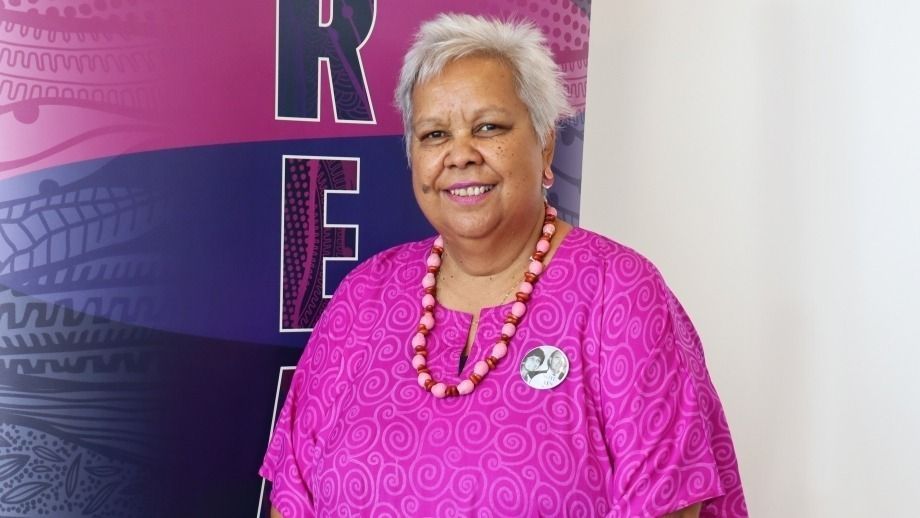
Dr Jacqueline Huggins appointed Honorary Professor at ANU
Bringing four decades of hands-on knowledge and experience in First Nations affairs, The Australian National University welcomes Dr Jacqueline Huggins AM FAHA as an Honorary Professor in History.
Dr Huggins, a Bidjara/ Birri Gubba Juru woman, has enjoyed a stellar career across academic, corporate and social sectors. She is among the first First Nations historians in Australia.
From 2017 to 2019, she served as co-chair of the National Congress of Australia’s First Peoples, a representative body of 10,000 members and 180 organisations providing a leading voice for Aboriginal and Torres Strait Islander peoples.
She has also served as a Board member of the State Library of Queensland and the Australian Institute of Aboriginal and Torres Strait Islander Studies, former Co-Chair Reconciliation Australia, Co-Commissioner for Queensland for the National Inquiry into the Separation of Aboriginal and Torres Strait Islander Children From Their Families, directed her own consulting firm, and was Deputy Director of Aboriginal and Torres Strait Islander Studies at the University of Queensland.
Dr Huggins was made a Member of the Order of Australia in 2001, recognising her significant service to Australia’s First Nations peoples, particularly in the areas of reconciliation, social justice, literacy and women’s issues.
Dr Huggins was made a Fellow of the Academy of Humanities in 2007, one of the first First Nations scholars to receive the prestigious status.
She has written widely for history books and journals nationally and internationally such as Aboriginal Workers 1995 (and new edition 2021) with Ann McGrath and Kay Saunders. Her books include Auntie Rita 1996, Sistergirl 1998 with Sistergirl new edition and Jack of Hearts: QX11594 due for publication early 2022.
She is currently Co-Chair of the Treaty Advancement Committee in Queensland and has contributed to numerous government enquiries and advisory committees, both state governments around Australia, the federal government and philanthropic organisations.
Dr Huggins stated: ‘I am honoured to receive this position in a leading University that elevates the scholarship and integrity of First Nations peoples.’
Joining ANU, Dr Huggins will provide guidance and strategic advice to the Research Centre for Deep History within the School of History.

Publications


All rights reserved ® Research Centre for Deep History, The School of History, The Australian National University | Built by Tabs.